



How to report a faulty wine at a restaurant
In this article, we discuss a situation that can happen to anyone ordering a bottle of wine at a restaurant. It’s not very common, but it can occur, and it’s important not to be caught unprepared. Sometimes, in fact, the wine ordered may have a defect.
In these cases, many customers wonder: how can I report a faulty wine at a restaurant without causing embarrassment or discomfort? Some people prefer to say nothing and drink the wine despite the issue, perhaps because they feel shy or don’t really know how to handle the situation. Others, on the other hand, overreact, creating unnecessary tension.
Let’s be clear: reporting a faulty wine at a restaurant is a customer’s right. It is therefore completely legitimate to point it out, but in the right way.
So, let’s see how to handle these situations, what words to use and what attitude to adopt in order to report a faulty wine politely, avoiding awkwardness and resolving the issue in the best possible way for everyone.
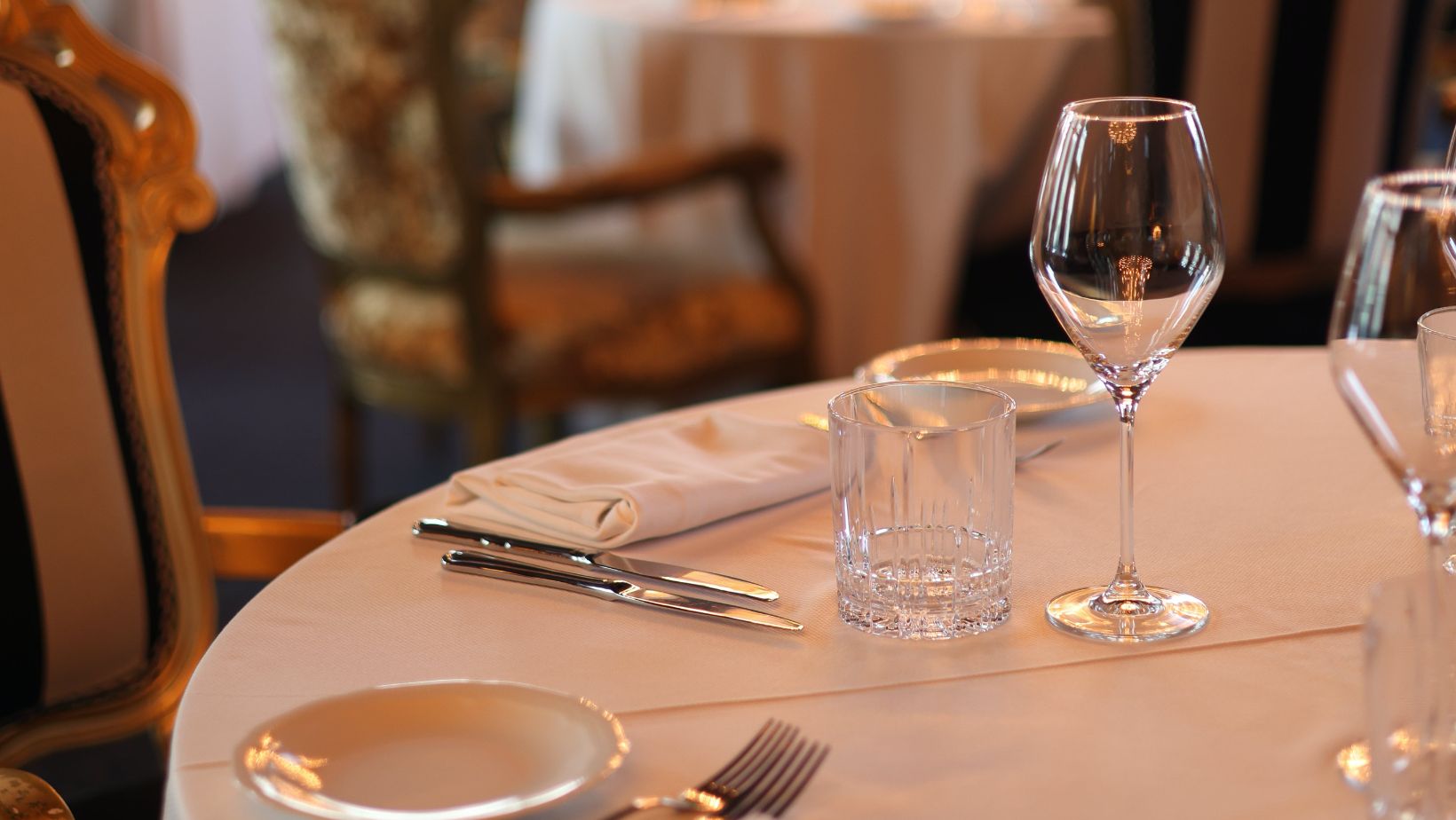
Faulty wine at a restaurant: what to do and what to say
This guide is designed to help you recognize when a wine has a genuine defect, how to handle the situation with the restaurant staff and how and when to communicate the issue, providing clear guidance on acting politely and respectfully.
When a wine is faulty (and When it isn’t)
Before diving into how to handle a faulty wine, it’s important to clarify when a wine can truly be considered faulty and when it isn’t. It’s common to mistakenly label a wine as faulty simply because it doesn’t match our personal taste. In reality, a wine we don’t like is not a faulty wine: it may be different from what we expected, but it cannot be classified as faulty.
So, when is a wine truly faulty? A wine is considered faulty when it shows flaws caused by issues in storage, bottling or winemaking. These defects can be detected both by smell and taste and make the tasting experience unpleasant.
The three most common wine faults are:
• Corked wine: this is the most common fault. It occurs when the wine comes into contact with TCA (trichloroanisole) molecules, often present in the cork. The result is a wine with musty or wet cardboard smells and flavors.
• Oxidized wine: this happens when the wine has been exposed to too much oxygen. The color may appear altered and the aromas are muted, with notes reminiscent of rotten apples or vinegar.
• Reduced wine: this fault is linked to a lack of oxygen during winemaking. It can give the wine smells of rotten eggs or sulfur.
Knowing and recognizing these faults allows you to distinguish between a wine you simply don’t like and a wine that is truly faulty.
Is it appropriate to report a faulty wine?
It’s worth repeating, even though we’ve already mentioned it: yes, reporting a faulty wine is fully within the customer’s rights. There’s no reason to feel shy or hesitant. If, during tasting, you recognize one of the wine’s faults, it’s good practice to inform the restaurant staff immediately; this way, you can request a replacement bottle.
On the other hand, it is not appropriate to request a replacement if the wine has no faults but simply doesn’t match your personal taste. Distinguishing between a genuine fault and a matter of personal preference is essential to act respectfully.

Why report a faulty wine?
Reporting a faulty wine is important both for the customer and for the restaurant:
Customer’s perspective
• Protects the tasting experience: avoiding a faulty wine ensures that the meal and the evening remain enjoyable.
• Safeguards the evening: acting promptly prevents the defect from affecting the overall dining and wine experience.
Restaurant’s perspective
• Allows the issue to be identified and resolved: the staff can replace the faulty bottle and check other bottles for potential issues.
• Maintains quality standards: the restaurant can address the issue with the supplier, preventing the same problem from happening in the future.
How to report a faulty wine
When you notice that a wine has a fault, it’s important to know how to act and what to say in order to handle the situation politely and without causing embarrassment.
Practical Tips
• Check before reporting: if the wine is served for tasting, take a moment to confirm the fault.
• Report the fault after the initial tasting: the defect should be communicated to the staff after the initial tasting and before any courses are served.
• Maintain a respectful tone: speak calmly and without irony. Remember that the fault is not a deliberate mistake by the restaurant.
• Be discreet: avoid drawing attention from other diners; communicate the issue privately and calmly.
• Request the staff’s cooperation: express your impressions calmly, without being pushy, and kindly ask them to check the bottle. Involving the staff in evaluating the problem is important, as it allows the waiter or sommelier to objectively confirm the fault.
Example Phrases to Use
“I believe this wine has a slight fault. Could you please check it?”
“I’m afraid this wine might have a defect. Could you taste it to confirm?”
“It seems to me that this wine is corked. Could you kindly evaluate it?”
Example Phrases NOT to Use
“This wine is undrinkable!”
“I don’t like this wine!”
“What is this!?”
By following these simple guidelines, reporting a faulty wine becomes a respectful gesture that protects your experience without causing discomfort for you or the staff.

What happens after reporting a faulty wine
When a customer reports that a wine has a fault, the restaurant is obliged to verify the claim and replace the bottle at no extra cost.
The staff must taste the wine to confirm the defect. This check is essential both to protect the customer and to ensure a technical and professional evaluation of the issue.
Once the fault is confirmed, the restaurant can take one of the following actions:
• Offer another bottle of the same wine;
• Offer a different wine of the same price range (in some cases, a higher-priced wine as a gesture of apology for the inconvenience, at no additional cost);
• Provide a refund for the bottle.
It may happen that, after tasting, the staff does not notice the defect reported by the customer. In this situation, it is appropriate to inform the customer politely and offer a second tasting to reassess the issue together. It is essential to maintain a service-oriented approach: if the customer still perceives a fault, the restaurant should prioritize the customer’s satisfaction, avoiding conflicts and ensuring a positive experience.
Now you know how to properly report a possible fault in a wine ordered at a restaurant. You know what to do, what to say and how to behave in these situations. In other words, if such an issue occurs, you will be able to handle it calmly and with style.
If you liked our article and if you want to continue to receive news, updates and curiosities about the world of wine, subscribe to the Wineshop.it wine newsletter. Lots of content and offers await you.


 Loading...