

How to Serve a Dessert Wine
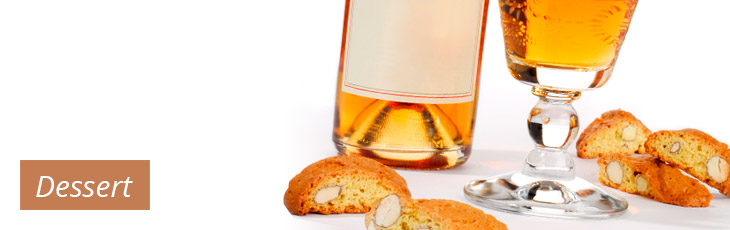
Dessert wine is one of the most fascinating expressions in the world of wine. With its unique and exclusive characteristics, sweetness, aromatic intensity and rich taste, it represents much more than a simple accompaniment to dessert: it is a sensory experience that concludes a meal with elegance and depth.
For this reason, it deserves special attention, not only in the choice of the wine but also in the way it is served. Dessert wines follow specific serving rules, different from those applied to other types of wines. These are targeted measures that allow these wines to fully express their potential.
In the following paragraphs, we will reveal the main serving rules for sweet dessert wines.
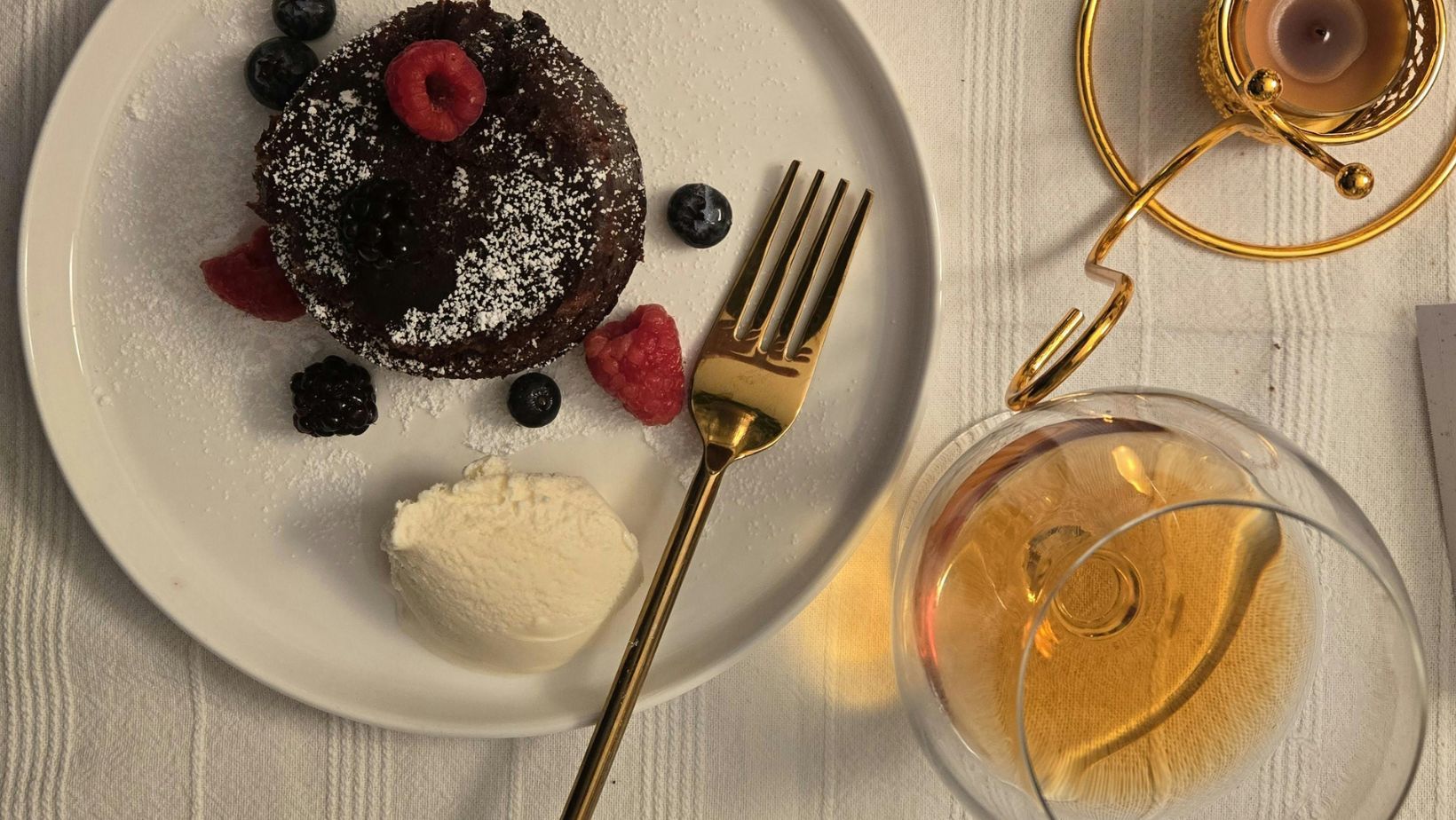
How to Serve a Dessert Wine: A Complete Guide
Here, we guide you through the proper way to serve a sweet dessert wine, especially passito wines, late-harvest wines and other similar types, revealing the essential rules to follow in order to bring out their full potential.
• Serve Them at the End of the Meal
The first fundamental rule for serving a dessert wine correctly is to offer it at the right moment. It should be presented exclusively at the end of the meal, without interfering with the savory courses.
A key principle in food and wine pairing is the “sweet with sweet” rule: the wine should have a level of sweetness equal to that of the dessert. Otherwise, the contrast can make the pairing unbalanced and less enjoyable.
As an alternative to desserts, sweet wines also pair exceptionally well with aged and blue cheeses. The saltiness and aromatic complexity of these foods create a perfect counterpoint to the wine’s sweetness.
• Serve Them Between 10°C and 12°C
Serving temperature is a crucial factor in fully appreciating the qualities of any wine, including dessert wines. Serving them too cold can dull their aromas and complexity, while temperatures that are too high can exaggerate sweetness and alcohol content.
In general, dessert wines are served between 10°C and 12°C, but it is helpful to make further distinctions:
• Light dessert wines, such as those made from Moscato grapes: 8–10°C
• Structured dessert wines (passito, late-harvest wines): 10–12°C
• Fortified or meditation sweet wines: 12–14°C
• Bring Dessert Wine Glasses to the Table Only at the End of the Meal
Before serving dessert wines, it is good practice to remove the other glasses from the table, except for the water glass.
Here’s why:
• Order: removing the glasses used for other wines creates space on the table, avoiding confusion and clutter, and sets the “stage” for the dessert moment.
• Highlight the dessert wine: as mentioned, dessert wines are a special category. Clearing the table of other glasses and tableware allows them to be presented in the best possible way.
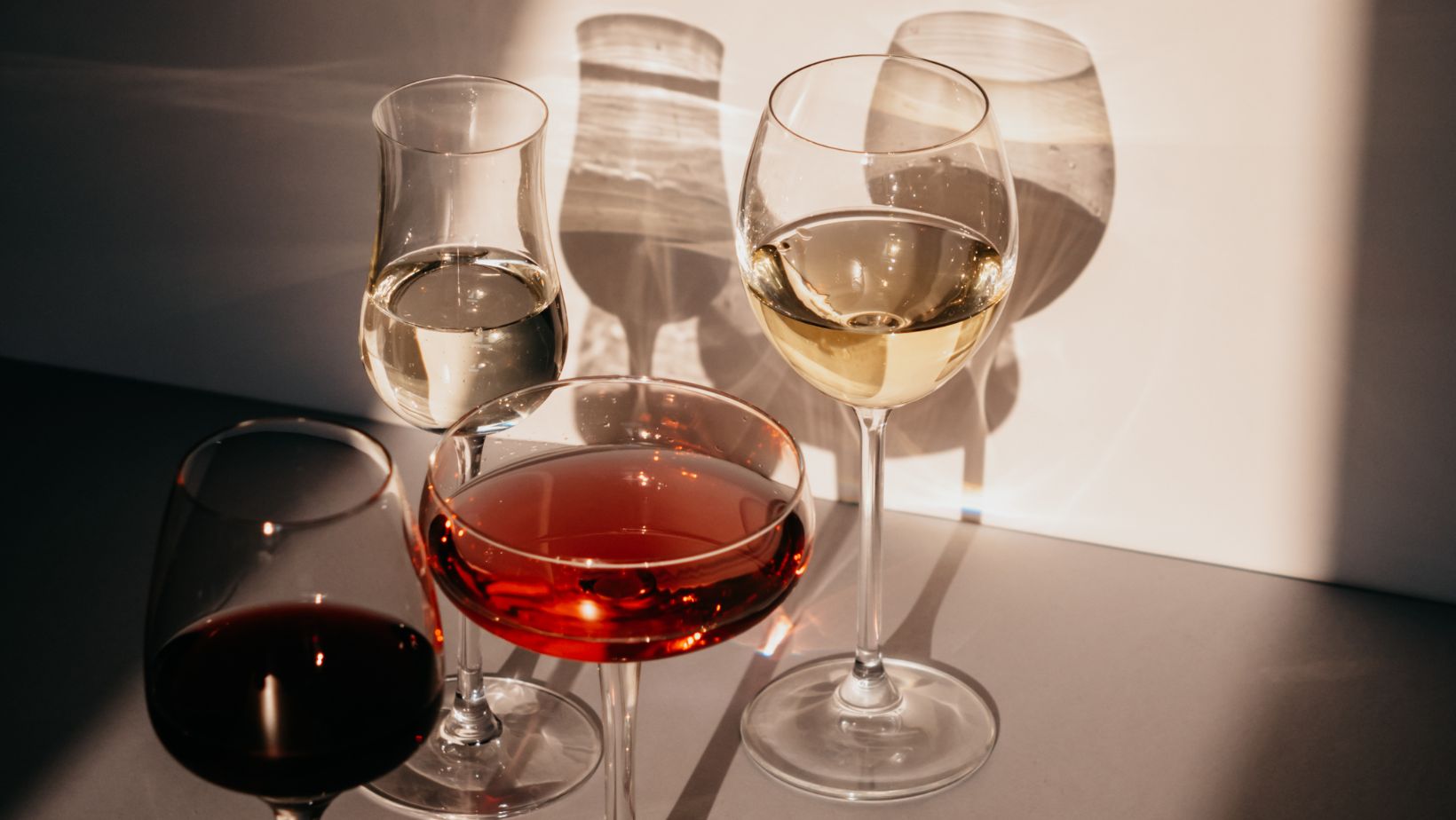
• Use Small Glasses
Serving dessert wines in small glasses is not just an aesthetic choice, it is a true functional necessity that allows their organoleptic qualities to be fully appreciated. These wines, often richer, more concentrated and higher in alcohol than other types, require the right glass to fully express their aromas, sweetness and structure.
A small glass allows you to:
• Control intensity: small quantities prevent the sweetness from becoming overwhelming or cloying.
• Concentrate aromas: the compact shape captures and enhances the wine’s more complex scents.
• Limit oxidation: a smaller surface area in contact with air preserves aromatic integrity and flavor.
• Manage the poured quantity: limited quantities are ideal for rich and structured wines, like most dessert wines, allowing gradual and controlled tasting.
The most typical glasses used for sweet dessert wines are:
• Small tulip glasses: perfect for sweet wines with moderate alcohol content. These glasses are small in size with a slight inward curve at the top, which traps aromas and directs them gradually toward the nose.
• Fortified wine glasses: ideal for sweet wines with high alcohol content. They have an even smaller capacity and compact dimensions, also with a slightly inward-curved rim.
• Serve Them in Small Quantities
Dessert wines are generally richer, more concentrated and sweeter than other types of wine. For this reason, it is essential to serve them in small amounts: about 6–8 cl per glass is the standard guideline. Serving a reduced quantity has at least two advantages:
• Better management of sensory impressions and alcohol content: dessert wines, by their nature rich and concentrated, can become overwhelming or cloying if poured in large amounts. Serving them in limited quantities allows you to fully appreciate their aromas and subtle nuances. Additionally, many of these wines have a high alcohol content, and smaller servings make it easier to enjoy them without the alcohol becoming overpowering.
• Slow and mindful tasting: moderate portions encourage sipping slowly, allowing you to savor every flavor and aroma. This is particularly important for most dessert wines, which require a “slow” approach to fully capture their complexity, depth and persistence.
Follow these rules when serving dessert wines, and you’ll be able to enjoy them at their best!
If you liked our article and if you want to continue to receive news, updates and curiosities about the world of wine, subscribe to the Wineshop.it wine newsletter. Lots of content and offers await you.


 Loading...