

Which wines can be stored in a vertical position?
Proper bottle storage is essential to preserve the wine’s organoleptic characteristics and allow it to be enjoyed at its full potential. Among the main factors to consider for optimal storage is the position of the bottle.
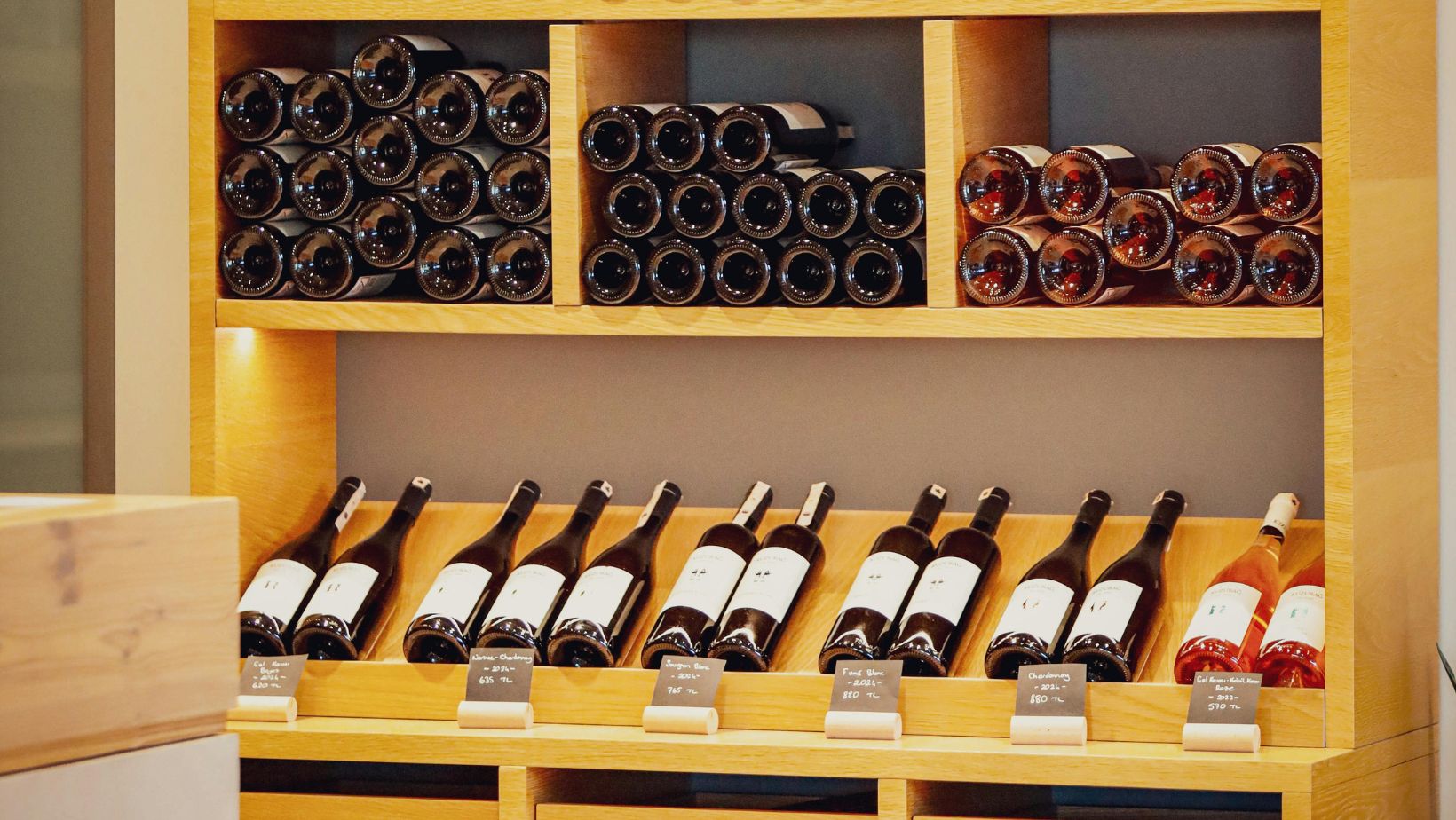
The general rule, well known among wine enthusiasts and experts, suggests storing bottles in a horizontal position so that the wine remains in contact with the cork, keeping it moist and preventing it from drying out. A dry cork can lose its ability to seal the bottle properly, allowing air to enter and causing the wine to oxidize, thus compromising its organoleptic properties.
However, there are exceptions to this rule: some bottles can be stored vertically without any risk to their quality.
These exceptions show that the choice of bottle position is not universal, but must be evaluated based on three main factors:
• the type of wine
• the characteristics of the closure
• storage time

Wines that can be stored in a vertical position: a complete guide
In this article, we take an in-depth look at which types of wines can also be stored in a vertical position and which, instead, necessarily require horizontal storage, as indicated by the general rule.
There are, in fact, wines for which vertical storage is perfectly safe, while for others, keeping the bottles upright can be harmful, compromising the seal of the closure and, consequently, the integrity of the wine itself.
In short, storing bottles horizontally is always a safe choice, while vertical storage can be adopted only in specific cases. Let’s see which ones.
Wines that can be stored vertically
Not all wines require constant contact with the closure to preserve their quality. Some types, in fact, are perfectly suited to vertical storage, with no risk of oxidation.
This flexibility in storage makes it possible to optimize cellar space and simplifies bottle management. Below, we look at the main cases in which vertical storage is safe.
Wines with screw caps
Wines with screw caps are designed to ensure a completely airtight seal. Unlike natural cork, this type of metal closure does not require contact with the wine to remain sealed, which allows bottles to be stored in a vertical position without the risk of deterioration, even over the long term. The airtight seal of a screw cap prevents air from entering the bottle, keeping the wine fresh and intact.
However, it should be noted that this type of closure is used almost exclusively for wines that are “ready to drink” and do not require oxygen to evolve in the bottle, such as:
• fresh white wines
• rosé wines
• young wines in general, meant to be enjoyed soon
On the other hand, red wines intended for medium to long aging, which benefit from a slow interaction with oxygen through a natural cork, are not suitable for this type of closure, as screw caps do not allow the controlled oxygen intake necessary to develop aromatic complexity and structure over time.
Wines with synthetic corks
The synthetic cork, while similar in shape to traditional natural cork, is made from plastic or composite materials, making it far less sensitive to drying out than natural cork. Thanks to this characteristic, bottles sealed with synthetic corks can be stored in a vertical position without the risk of compromising the seal or the quality of the wine.
This type of closure provides a sufficiently airtight seal over the medium term. Unlike screw caps, it allows a slight permeability to air, resulting in minimal but controlled micro-oxygenation.
Synthetic corks are particularly suitable for wines intended to be consumed within a relatively short period, such as:
• young red and white wines
• everyday table wines
The synthetic cork represents an intermediate solution between natural cork and screw caps: it offers good protection over the medium term and allows some flexibility in storage, while not replacing natural cork for wines destined for long aging, where micro-oxygenation remains essential for the complex development of aromas.
Wines intended for short-term consumption
If you plan to consume the wine within a few weeks, storing the bottle in a vertical position can be considered safe, even for bottles sealed with natural cork. In this case, the reduced contact between the wine and the cork does not compromise the seal or the quality of the wine, as the storage period is too short to cause cork dryness or excessive air entry.
In essence, for short-term storage, the vertical position represents a safe solution even for bottles with natural cork, without sacrificing the quality of the wine.
Wines NOT to store vertically for long periods
Some wines, on the other hand, must be stored horizontally to preserve their integrity. If the wines we are about to describe are kept upright for a long time, they risk deterioration. The main cases are as follows:
Aged wines with natural cork
For wines sealed with natural cork, especially those intended for long aging, the horizontal position, and therefore constant contact between the liquid and the cork, is essential. This contact keeps the cork moist and elastic, ensuring an airtight seal that protects the wine from oxidation.
If a bottle of this type is stored vertically for an extended period, the cork can dry out, lose its sealing ability and allow air to enter, causing oxidation and deterioration.
Sparkling wines
Classic sparkling wines sealed with natural cork must be stored horizontally. The contact between the wine and the cork keeps the cork moist and elastic, preventing it from drying out, which could compromise the seal. Additionally, the horizontal position helps maintain the internal pressure of the bottle, an essential factor for preserving the bubbles and ensuring consistent effervescence until the moment of tasting.
On the other hand, storing these wines vertically for a long period can lead to a loss of pressure and a decrease in the quality of the bubbles.
In short, vertical wine storage should not be demonized or completely ruled out: it can be a safe and practical solution, provided it is applied only to wines for which it is suitable, such as those with screw caps, synthetic corks and/or intended for quick consumption.
If you liked our article and if you want to continue to receive news, updates and curiosities about the world of wine, subscribe to the Wineshop.it wine newsletter. Lots of content and offers await you.


 Loading...