
Is wine poured slowly? Here’s what etiquette says
Pouring wine may seem like a simple, almost automatic gesture, but as readers of our wine blog already know, it is actually an action guided by precise rules. Small details that truly make the difference between an ordinary gesture and a carefully executed service.
One of the most frequently asked questions concerns the speed of pouring: should wine be poured slowly or not? This is a topic on which wine etiquette is quite clear and also rather strict.
In this article, we will first look at whether wine should be poured slowly or not, and then explore all the reasons behind this often underestimated rule.
Is wine poured slowly?
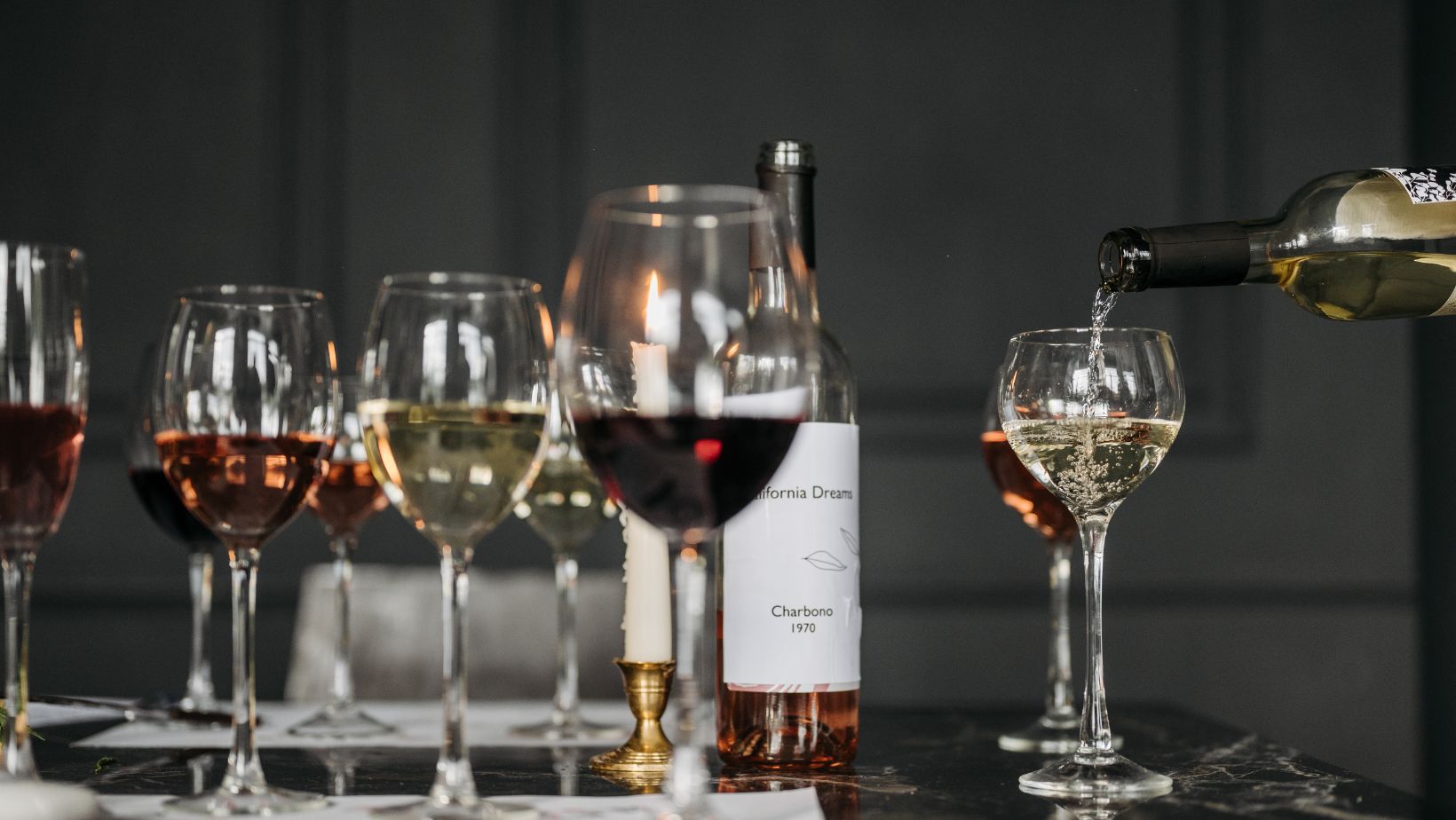
Yes, according to wine etiquette, wine should be poured slowly. You probably already knew this rule, as it is one of the most well-known and important aspects of wine service.
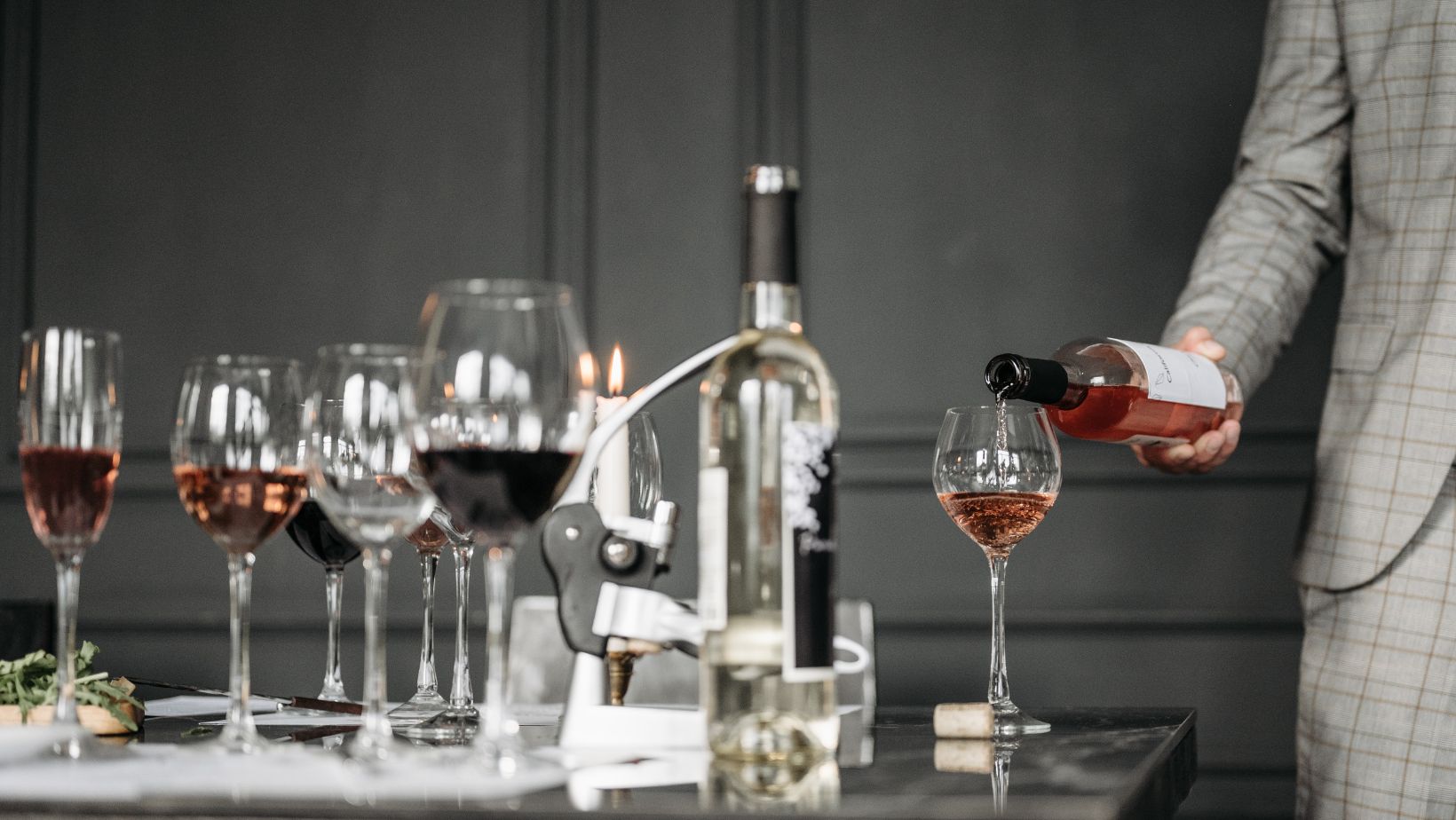
The ideal wine service involves a controlled flow that is never rushed. The gesture should be smooth, precise, and elegant, without abrupt movements or excess.
Pouring wine too quickly is considered a serious mistake both from a technical and an aesthetic point of view. Not surprisingly, sommeliers always pay great attention to the speed at which they pour wine.
Why is wine poured slowly?
Given and noted that wine should be poured slowly and in a measured way, it is interesting to explore all the reasons behind this wine etiquette rule.
It is not simply a matter of elegance or good table manners. Pouring wine slowly also means respecting the product and significantly improving the tasting experience, allowing the wine to express itself at its best already at the moment of service.
A simple gesture such as pouring, when done correctly, helps enhance the wine and create a more harmonious experience.
To avoid splashes or spills from the glass
One of the main reasons wine is poured slowly is to avoid splashes, drops, or small spills from the glass.
When wine is poured too quickly, the liquid hits the glass with greater force. This sudden movement can cause the wine to “bounce” off the sides of the glass or create small droplets that spill outside, potentially staining or ruining the tablecloth or guests’ clothing and, more generally, creating inconvenience during service, especially in formal settings or during an important dinner.
Slow pouring, on the other hand, ensures that no drops end up outside the glass.
To control the flow and serve the correct amount
Another key reason why wine should be poured slowly is related to control and precision. When the flow is too fast, it becomes harder to manage the amount of wine being poured into the glass, increasing the risk of overfilling it or serving it unevenly.
A slow pour, instead, allows for better control of the gesture, ensuring constant awareness of both movement and wine level in the glass. Wine etiquette states that the glass should never be filled completely, but only partially. In general, it should reach about one-third of its capacity, leaving enough space for proper aeration of the wine (we have discussed this here: How much wine should you pour into a glass?).
For this reason, pouring wine slowly helps maintain the correct proportions in the glass and enhances the wine’s characteristics to the fullest.
To enhance aromas at their best
An overly aggressive service, characterized by a fast and “forceful” flow, tends to generate excessive turbulence inside the glass. This can alter, even if only temporarily, the wine’s initial aromatic expression.
On the contrary, a slow and controlled pour allows the wine to enter the glass in a more measured way. The liquid gently settles along the sides of the glass, reducing impact and promoting a more natural aeration process. This gradual development allows the wine to “open up” without stress, expressing its aromas in a cleaner and more coherent way.
This aspect is particularly important for structured, complex, or aged red wines, which require greater balance to properly express their aromatic bouquet. In these cases, an overly energetic service can negatively affect the wine’s initial perception.
To present a more professional image
Pouring wine slowly is not only a technical requirement, but it also plays a significant role in the aesthetic and communicative aspect of service. The act of pouring becomes a more elegant, natural, and controlled gesture, immediately conveying a sense of care and attention.
A smooth, unhurried, and well-measured movement communicates attentiveness toward guests and respect for the wine itself. Conversely, a rushed or careless pour can create an impression of superficiality or lack of attention to detail in service.
To avoid pouring sediment
In wines aged for a long time in the bottle, especially important red wines or those with extended ageing, it is normal for natural sediment to form at the bottom. These are solid particles resulting from the wine’s evolution over time, a typical characteristic of mature wines.
When wine is poured too quickly, these deposits risk being stirred up and ending up in the glass along with the liquid. The result is a wine that is less clear and visually less appealing.
A slow and controlled service, instead, allows better management of the wine flow and minimizes the risk of transferring sediment into the glass.
To better manage foam formation and preserve the perlage in sparkling wines
Sparkling wines also require a slow and controlled pouring technique.
Pouring sparkling wine slowly helps better control foam formation, preventing it from rising excessively and uncontrollably in the glass. This way, the perlage, the fineness and persistence of the bubbles, one of the most important aspects in tasting, is preserved.
On the contrary, a too-fast pour can cause a quicker loss of carbon dioxide, resulting in reduced effervescence and aroma dispersion.
In this case as well, therefore, slow pouring is a true tool to enhance the wine’s characteristics in the glass.
If you liked our article and if you want to continue to receive news, updates and curiosities about the world of wine, subscribe to the Wineshop.it wine newsletter. Lots of content and offers await you!


 Loading...