


When can you refuse a wine at a restaurant?
Has it ever happened to you to order a bottle of wine at a restaurant and refuse it, asking for a replacement?
It’s not a common situation, but it can happen. In these cases, it’s normal to wonder: what does etiquette say? Can you really refuse a bottle of wine at a restaurant? And above all, when is it appropriate to do so?
In our article, we explain what wine etiquette provides and clarify, once and for all, what to do in these situations.
When is it appropriate to refuse a bottle of wine at a restaurant: a practical guide to wine etiquette
Yes, a customer can refuse a bottle of wine at a restaurant and ask for a replacement. However, this is not a matter of free choice or personal taste: there are specific rules to follow.
A bottle can only be refused in certain well-defined cases. According to wine etiquette, the customer has the right to do so ONLY when the wine shows clear faults. This is a fundamental rule to keep in mind, as it clearly establishes when a refusal is legitimate and when it is not.
Let’s now look at the most common situations in which it is appropriate to request a replacement bottle.
1. When the wine is “corked”
This is the best-known and most common case. The wine has an unpleasant smell, reminiscent of wet cardboard, mold, or a musty cellar. This defect is caused by TCA (trichloroanisole), a substance that can contaminate the cork and irreparably compromise the wine.
When a wine is “corked,” it completely loses its aromatic expression, becoming dull, flat, and unpleasant. In these cases, there is no doubt: refusing it is absolutely legitimate, and the bottle should be replaced without hesitation.
2. When the wine shows defects due to poor storage
Another situation in which it is appropriate to refuse a wine concerns issues related to storage. If the bottle has been exposed to incorrect temperatures, excessive light, or sudden temperature changes, the wine can deteriorate.
The most evident signs are:
• vinegar-like smells (a sign of oxidation)
• metallic or unpleasant notes
• muted or altered aromas
Although these are not always as immediately recognizable as a “corked” smell, they are still faults. In such cases, the wine does not reflect its original characteristics, and the customer is fully entitled to point it out and request a replacement.
When you should NOT ask to replace a bottle of wine at a restaurant
It’s important to be clear: at a restaurant, you may refuse a bottle of wine only in the presence of real faults. In the absence of obvious problems, etiquette calls for accepting the bottle without objection.
It is therefore not appropriate to request a replacement if:
• the wine does not reflect your personal taste
• you find it different from what you expected
• you do not appreciate that grape variety or style
The initial tasting, in fact, is not a “preference test,” but a technical check: it is meant to verify that the wine is in good condition and properly stored. If the bottle has no defects, it should be accepted, even if it does not fully meet your expectations or preferences.
In short: taste is subjective, but wine etiquette is clear: an intact wine should never be refused, EVER!
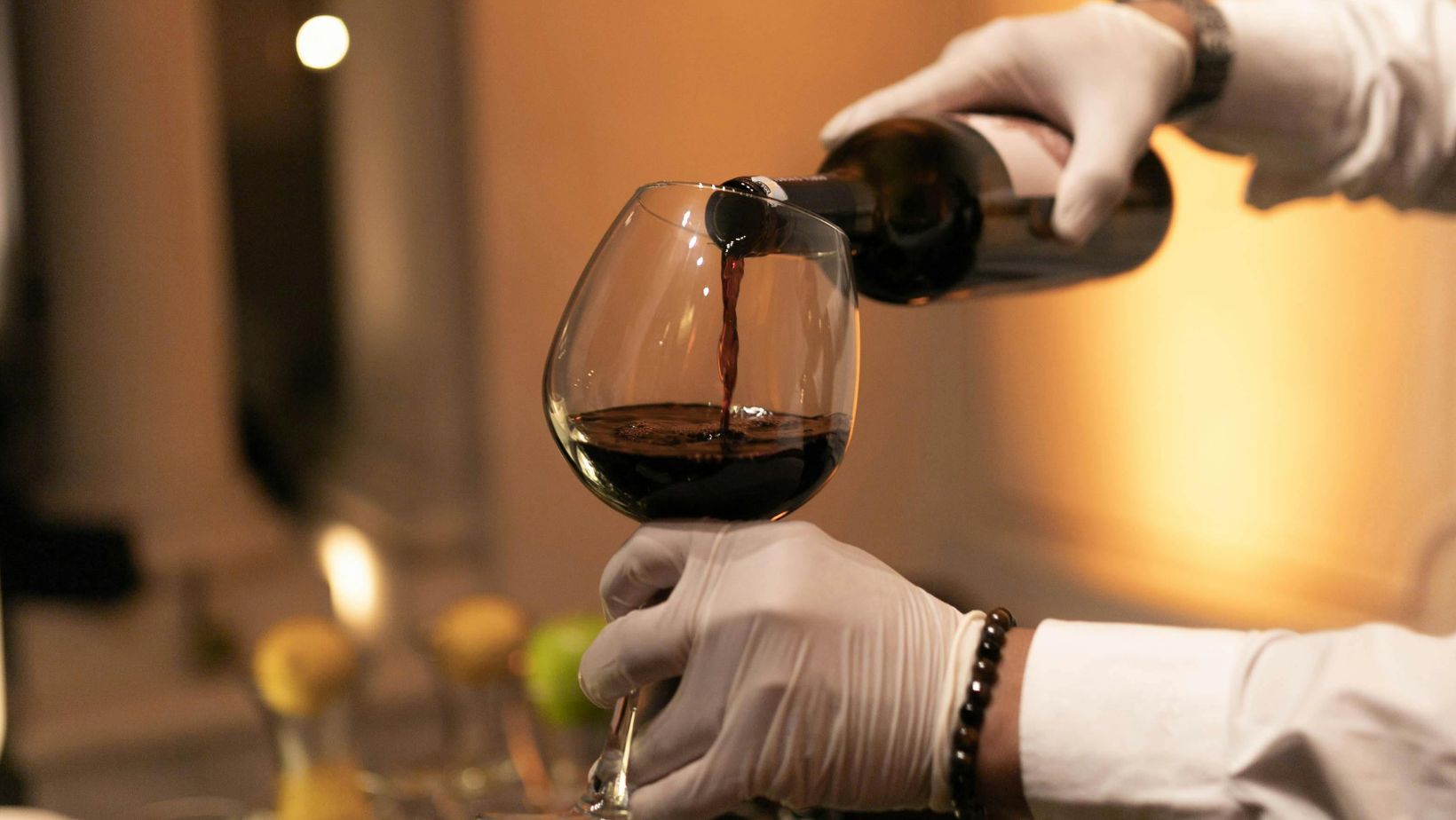
What is the purpose of the initial wine tasting at a restaurant?
After everything we’ve explained so far, to complete the picture it’s necessary to answer one final question, closely related to the topic: what is the real purpose of the initial wine tasting by the customer?
In restaurant etiquette, this step has a very specific function and is often misunderstood. The initial tasting does NOT serve to evaluate whether the wine suits your personal taste, nor to decide whether you like it or not.
Its purpose is purely technical: it is meant to check the condition of the bottle, verifying that the wine is sound, properly stored, and free from faults. In other words, it is a quality control moment, not a personal judgment.
If the wine is in good condition, the bottle is accepted without hesitation and served at the table. On the other hand, only if clear faults emerge during the tasting is it appropriate to request a replacement. This is the only scenario in which refusing the bottle is considered correct according to wine etiquette.
If you liked our article and if you want to continue to receive news, updates and curiosities about the world of wine, subscribe to the Wineshop.it wine newsletter. Lots of content and offers await you.


 Loading...