
Do you pour wine down to the last drop?
In the world of wine, there are many small unwritten rules that often go unnoticed or are less well known than others. One of the most interesting concerns the moment of serving: should the bottle be poured until the very last drop? Yes or no?
For those less experienced, the answer may seem obvious. It feels natural and automatic to think that wine should always be served completely, leaving nothing in the bottle. Yet things are not that simple. Behind this everyday gesture lies a small rule that many people are not aware of.
It is one of those details that go unnoticed until someone points them out, and once discovered, they completely change the way you look at a wine bottle.
Keep reading to discover a surprising rule about serving wine.
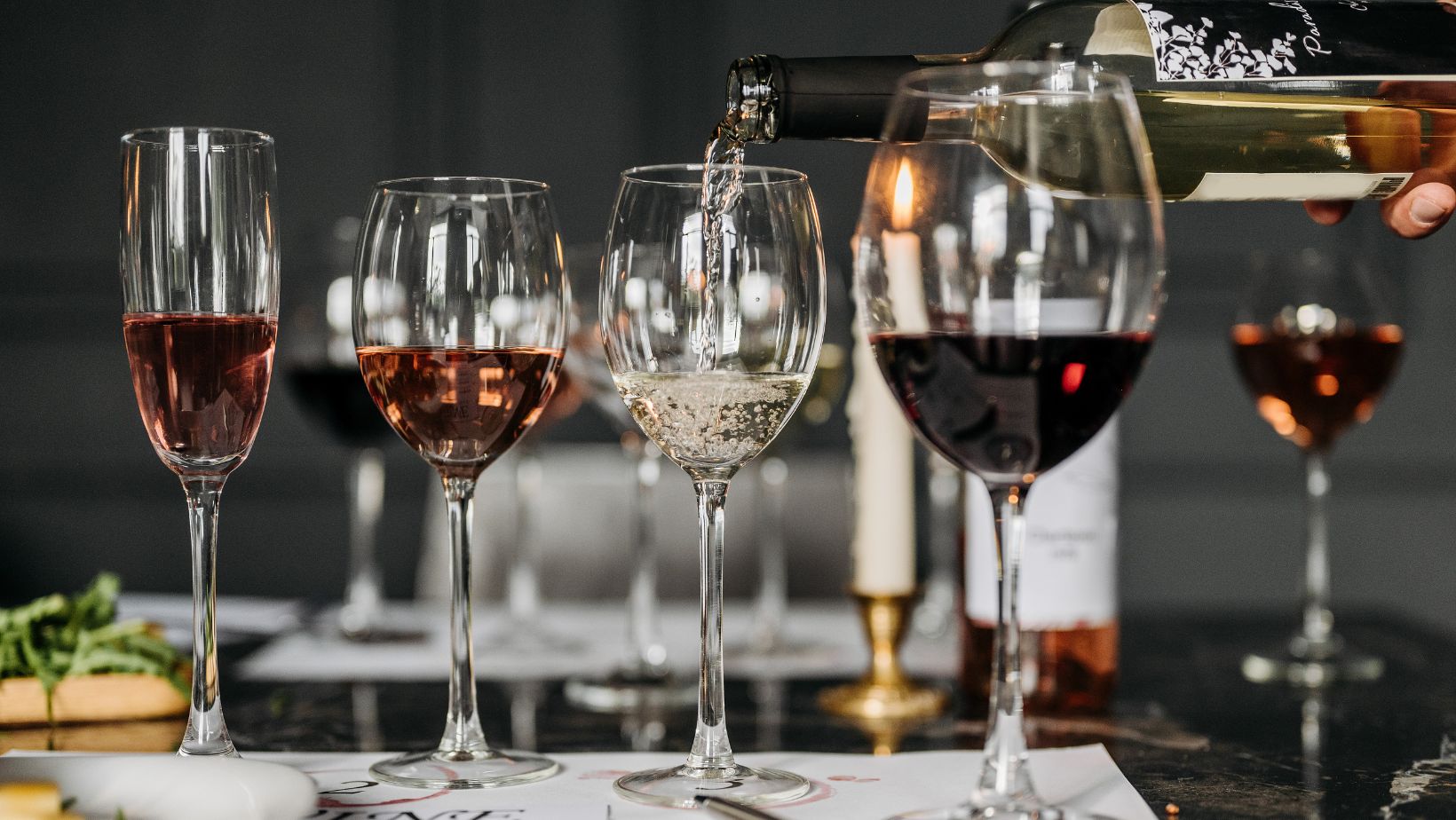
Should you pour wine down to the last drop? Etiquette rules to know
The answer to this question is: it depends on the type of wine.
In general, leaving a few drops in the bottle is not a mistake at all; on the contrary, it is a practice recommended by wine etiquette. However, this is not a strict rule that applies in every situation: with some wines it is strongly advised, while with others it may not be necessary to follow it.
In essence, there are cases in which it is preferable not to pour the very last drop, and others in which doing so does not represent any fault. Nevertheless, there is a simple but important guiding principle: stopping before the bottom is never wrong.
This rule is designed to preserve the wine’s characteristics as best as possible and to ensure a more refined, elegant, and professional service.
Let’s take a closer look to understand which types of wine are better not served down to the last drop and, above all, why in these cases the very last of the bottle is usually not poured.
Which wines should you NOT pour down to the last drop?
It is better to avoid pouring the bottle until the very last drop with the following types of wine:
• Structured red wines
• Long-aged wines
• Unfiltered or lightly filtered wines
• Wines served in formal settings (restaurants, events, important dinners)
• Wines offered during professional tastings
In these situations, stopping before the last drop is not a waste, but a choice that protects the quality of the wine and ensures a more elegant and professional service.
Let’s look at why.
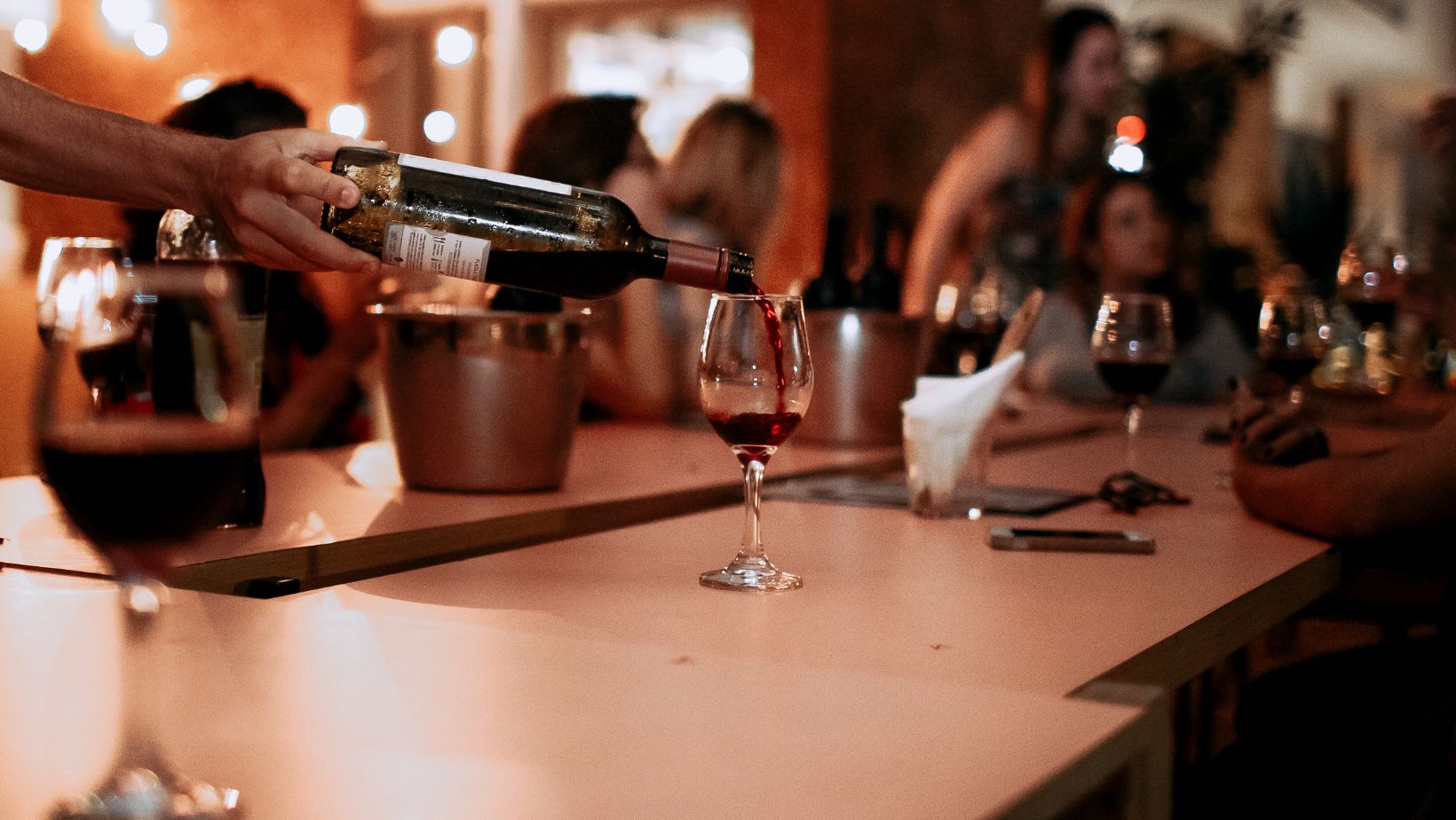
Why should some wines NOT be poured to the last drop?
Now we get to the heart of the matter, revealing the three main reasons behind this etiquette rule. With certain wines, in fact, pouring the very last drop is avoided because it can compromise both the quality of the tasting experience and the elegance of the service.
Here are the key reasons:
1. avoiding sediment in the glass
This is especially important with structured red wines or long-aged wines, where natural sediment forms over time.
Wine is not a perfectly stable solution; it is a "living system" that continues to evolve even after bottling. During bottle aging, some of its components slowly undergo chemical and physical transformations: molecules aggregate, change structure, and partially lose their ability to remain fully dissolved in the liquid.
The result of these processes is the formation of a deposit that, due to gravity, gradually settles at the bottom of the bottle. The more evolved, complex, and aged the wine is, the more likely these phenomena are to occur.
This is particularly true for aged red wines, which are richer in matter extracted from grape skins, especially tannins and natural pigments. These components—essential for the wine’s structure and color—tend to bind together over time and become less soluble, forming sediment.
Sediment is therefore considered a natural sign of a wine’s evolution, but also the main reason why the last part of the bottle is usually not poured.
If the bottle were poured down to the very last drop, these particles could end up in the glass. As a result, the wine would appear cloudy, less clear, and less refined, potentially altering the overall balance of the tasting experience.
2. ensuring uniform quality of service
In professional service, such as in restaurants or during wine tastings, one of the key principles is ensuring that every guest receives the wine in the same quality conditions.
For this reason, special attention is paid to avoiding the very last part of the bottle. As mentioned, the bottom of the bottle may contain sediment and can therefore be less representative of the wine as a whole. Avoiding pouring it ensures that all guests taste the “same” wine, without differences between the first and the last glass served.
In essence, not serving the final part of the bottle also becomes a matter of consistency, attentiveness, and respect for service—essential elements of wine etiquette.
3. preventing drops from spilling outside the glass
Furthermore, as the bottle nears its end, the flow of wine becomes less regular and more difficult to handle and control, because the bottle must be gradually tilted further to allow the remaining wine to pour out.
The likelihood of accidental spills or drops falling outside the glass increases, due precisely to the difficulty of accurately controlling the small amount of wine left at the bottom of the bottle.
For this reason, stopping before reaching the very end of the bottle helps maintain a smoother, more precise, orderly, and elegant service, ensuring a more refined visual presentation.
Why is wine not poured to the very last part of the bottle?
To summarise, a bottle of wine is not completely poured because:
• the bottom often contains sediment
• the quality may be lower
• the service would not be consistent in terms of quality
• the final pouring becomes more difficult to control
If you liked our article and if you want to continue to receive news, updates and curiosities about the world of wine, subscribe to the Wineshop.it wine newsletter. Lots of content and offers await you.


 Loading...