
Sheep in vineyards: why grazing is good for the vines
Have you ever come across a vineyard with a small flock of sheep grazing between the rows? We have! And we've been seeing this more and more often lately. If you think it's just a coincidence, an unusual sight, or simply an unauthorized intrusion, think again!
In many wine-growing regions around the world, an increasing number of winegrowers are deliberately introducing sheep into their vineyards, turning them into valuable allies in vineyard management and care.
Let's take a closer look at this curious presence among the vines and explore how it works and what benefits it can actually bring.
Why are sheep allowed to graze among the vines?
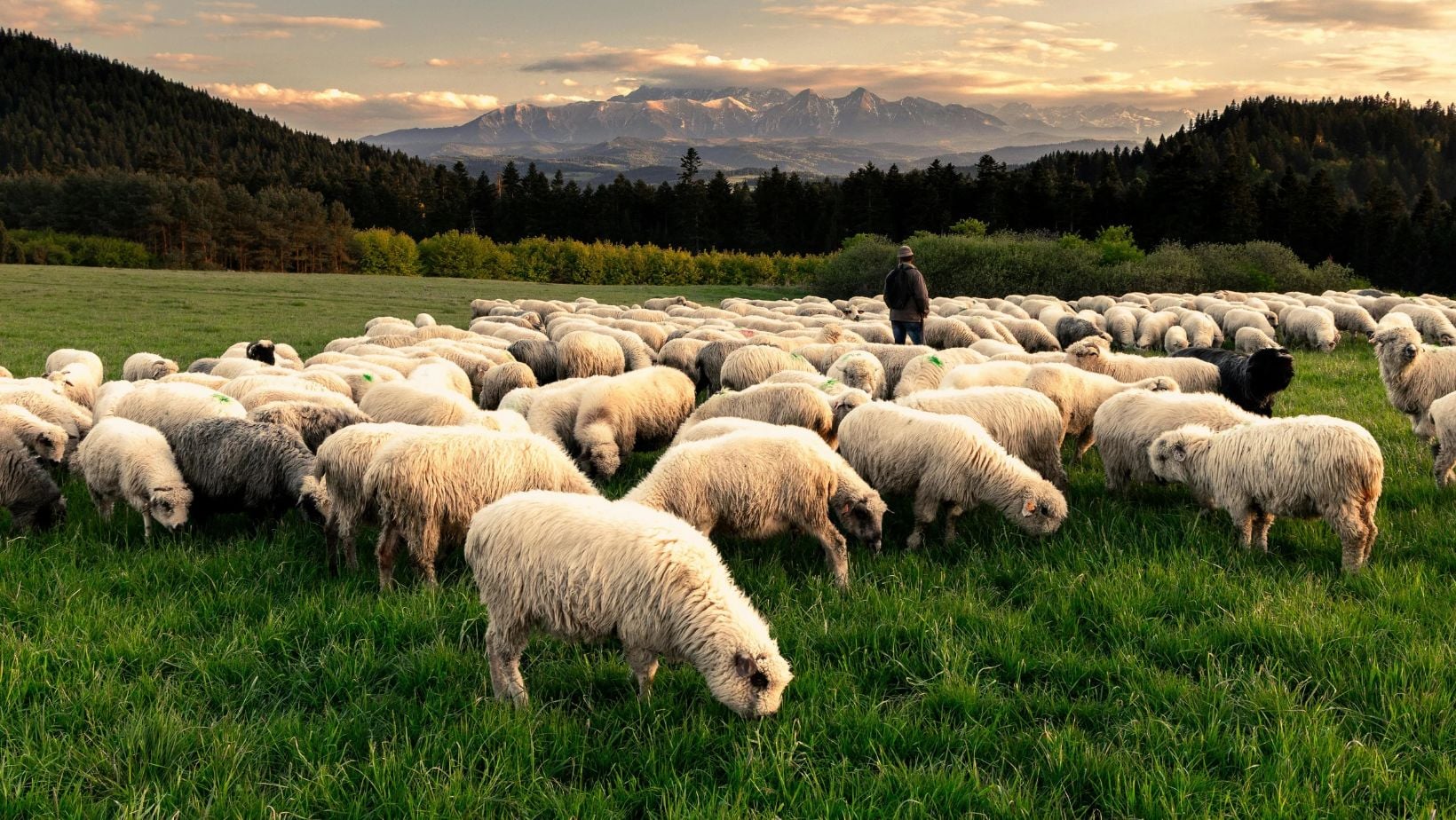
The first time we saw sheep grazing in a vineyard, we were quite surprised. We thought it was a mistake or, perhaps, an unauthorized intrusion. We assumed the sheep had wandered in looking for grapes to eat. In other words, we didn't think their presence could possibly be beneficial to the vineyard. As it turned out, we were wrong.
The winegrower explained that the sheep were there on purpose: their presence in the vineyard was intentional, temporary and carefully controlled. In short, everything was exactly as it should be!
Naturally, we wanted to find out more. We had a few questions: Why bring sheep among the vines? What can they contribute? What benefits can they provide?
The winegrower explained that introducing sheep between the rows is part of a specific agricultural practice known as vineyard grazing or sheep grazing in vineyards.
This is by no means a completely new technique. In fact, it was once a common practice that gradually fell out of use, only to make a comeback in recent years. Today, it is increasingly being adopted by wineries looking for alternative farming methods that can help make vineyard management more sustainable and reduce the environmental impact of vineyard operations.
What are the benefits of having sheep in vineyards?
Let's get down to the details: what are the benefits of having sheep grazing among the vines?
Let's take a look at all the advantages.
1. They help control the growth of spontaneous vegetation
The first and most immediate benefit is that sheep graze on the grass growing between the vineyard rows, helping to keep its growth under control.
Sheep feed on wild grasses and other vegetation growing in the vineyard at ground level. Their grazing activity helps reduce the need for mechanical mowing and other vegetation management operations.
2. They reduce the need for agricultural machinery
The second benefit is closely linked to the first. When sheep feed on the spontaneous vegetation growing in vineyards, winegrowers can reduce their use of agricultural machinery designed for mowing and cutting grass.
As a result, the environmental impact of vineyard management can be reduced. More specifically:
• lower fuel consumption
• reduced emissions from agricultural machinery
• less noise pollution in the vineyard
It is worth pointing out that grazing in vineyards does not eliminate the need for agricultural machinery to manage grass and other vegetation. Rather, it can reduce how often such machinery needs to be used.
3. They contribute to soil fertility
When sheep graze in vineyards, they do more than just feed on the grass growing between the rows. Through their droppings, they also return nutrients to the soil, helping to improve soil fertility and support plant growth.
Sheep manure contains nutrients such as nitrogen, phosphorus and potassium, as well as other substances that are beneficial to plant growth. Furthermore, as their droppings naturally decompose, they release nutrients into the soil, making them more readily available.
Of course, their contribution to soil fertility is not enough on its own, but it can complement other agricultural practices.
4. They make vineyards more sustainable
Taking all the benefits mentioned above into account, vineyard grazing can promote a more circular approach to agriculture, bringing together two activities: livestock farming and vineyard management.
This integrated approach aims to make better use of available resources, reduce waste and minimise the environmental impact of agricultural operations.
5. They help promote biodiversity
Carefully managed grazing can also help promote biodiversity in vineyards by creating a more diverse environment where different plant species can coexist. These plants, in turn, provide food and shelter for pollinating insects and other small animals, helping to support a healthier ecosystem.
In particular, by keeping the growth of spontaneous vegetation under control, sheep can help create favourable conditions for low-growing plants and wildflowers to thrive. This encourages the coexistence of a wider variety of plant and animal species, making the vineyard a richer natural environment.
Sheep in vineyards: how to manage grazing between the rows
In this final section, we'd like to highlight a few important points about grazing in vineyards and explain some of the key aspects of this practice.
Grazing in vineyards is an activity that needs to be carefully planned, organised and regularly monitored to ensure that the benefits we've discussed can actually be achieved.
First of all, sheep must be provided with suitable living conditions, including access to fresh water and sheltered areas where they can rest. However, we must remember that sheep are herbivores. This means they don't feed exclusively on spontaneous grass and other ground vegetation: they may also eat vine leaves and young shoots, potentially causing serious damage to the future grape harvest.
For this reason, introducing sheep into a vineyard must be carefully planned and limited to specific stages of the vine's growth cycle. The ideal period is during the vine's dormant season, before new shoots begin to emerge. This generally covers the autumn and winter months.
After this period, keeping sheep in the vineyard can become risky. As spring arrives, new shoots and green parts of the vine begin to develop, making them accessible to grazing animals and potentially exposing them to damage. Winegrowers who choose to continue grazing during the vine's growing season generally use specific vine protection systems and carry out regular inspections of the vineyard.
Another important aspect of vineyard grazing is the number of sheep in relation to the vineyard's size. In general, introducing too many sheep for the available area can lead to overgrazing, which may damage the vineyard ecosystem by excessively reducing spontaneous vegetation.
In short, introducing sheep into a vineyard can offer several benefits, but it requires careful planning, appropriate management and constant monitoring.
If you liked our article and if you want to continue to receive news, updates and curiosities about the world of wine, subscribe to the Wineshop.it wine newsletter. Lots of content and offers await you!


 Loading...